
Contents
- 🎵 Origins & History
- ⚙️ How It Works
- 📊 Key Facts & Numbers
- 👥 Key People & Organizations
- 🌍 Cultural Impact & Influence
- ⚡ Current State & Latest Developments
- 🤔 Controversies & Debates
- 🔮 Future Outlook & Predictions
- 💡 Practical Applications
- 📚 Related Topics & Deeper Reading
- Frequently Asked Questions
- References
- Related Topics
Overview
Vestibular processing disorders have roots in the understanding of the vestibular system, which was first described by Gustav Theodor Fechner in the 19th century. However, it wasn't until the late 20th century that the concept of vestibular processing disorders emerged, particularly in the context of sensory integration theory developed by A. Jean Ayres. Ayres' work in the 1970s highlighted how difficulties in processing sensory information, including vestibular input, could lead to significant challenges in motor coordination and balance. This paved the way for further research into the effects of vestibular dysfunction on daily life, particularly in children with sensory processing issues.
⚙️ How It Works
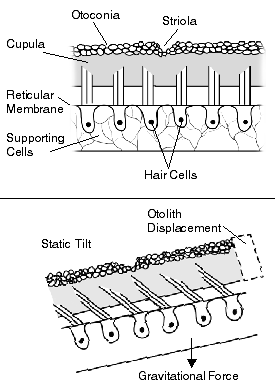
The vestibular system, located in the inner ear, plays a critical role in balance and spatial orientation by detecting head movements and changes in position. When this system malfunctions, it can lead to vestibular processing disorders, characterized by symptoms such as dizziness, vertigo, and balance difficulties. The brain relies on input from the vestibular system, visual system, and proprioceptive feedback to maintain equilibrium. For instance, a child with a vestibular processing disorder may struggle to coordinate movements during activities like riding a bike or participating in sports, as their brain cannot effectively integrate sensory information. Interventions often include vestibular rehabilitation therapy, which focuses on exercises to improve balance and coordination.
📊 Key Facts & Numbers
Key figures in the field include A. Jean Ayres, who pioneered sensory integration therapy, and Dr. Susan H. McGowan, known for her research on vestibular disorders in children. Organizations such as the American Occupational Therapy Association (AOTA) and the Vestibular Disorders Association (VeDA) provide resources and support for individuals affected by vestibular processing disorders. These organizations advocate for increased awareness and research funding, emphasizing the importance of understanding how vestibular dysfunction impacts daily life and development.
👥 Key People & Organizations
The cultural impact of vestibular processing disorders is increasingly recognized, particularly in educational settings. Schools are beginning to implement sensory-friendly environments that accommodate students with vestibular challenges, incorporating tools like weighted blankets and sensory rooms. Media representations of sensory processing issues have also evolved, with shows like 'Atypical' and 'Parenthood' depicting characters who navigate these challenges. This visibility helps destigmatize vestibular processing disorders and promotes understanding among peers and educators.
🌍 Cultural Impact & Influence
New technologies, such as virtual reality, are being explored for their potential to enhance vestibular rehabilitation. Additionally, there is a growing emphasis on interdisciplinary collaboration among occupational therapists, physical therapists, and educators to create comprehensive support systems for affected individuals. Recent conferences, such as the International Conference on Vestibular Rehabilitation, have highlighted innovative practices and shared success stories from around the world.
⚡ Current State & Latest Developments
Controversies surrounding vestibular processing disorders often center on the validity of diagnoses and the effectiveness of certain treatment modalities. Critics argue that the lack of standardized assessment tools can lead to misdiagnosis, while proponents emphasize the need for individualized treatment plans that consider each person's unique sensory profile. Additionally, debates exist regarding the role of medication versus therapy in managing symptoms, with some advocating for a more holistic approach that prioritizes sensory integration techniques.
🤔 Controversies & Debates
Looking ahead, the future of vestibular processing disorder research appears promising, with predictions of increased funding and focus on pediatric populations. Experts anticipate advancements in diagnostic tools that will allow for earlier identification and intervention, potentially reducing the long-term impact of these disorders. Furthermore, as awareness grows, there may be a shift towards integrating vestibular processing considerations into mainstream educational practices, fostering environments that support all learners.
🔮 Future Outlook & Predictions
Practical applications of understanding vestibular processing disorders include the implementation of sensory diets, which are tailored activities designed to provide the necessary sensory input for individuals. For example, incorporating swinging, jumping, and spinning activities can help children regulate their vestibular system. Occupational therapists often recommend weighted blankets to provide deep pressure input, which can enhance sensory regulation and improve focus. Schools and therapy centers are increasingly adopting these strategies to support children with vestibular processing challenges.
💡 Practical Applications
Related topics include sensory-integration-techniques, deep-pressure-therapy, and proprioceptive-activities-for-children. Exploring these areas can provide further insights into the interconnectedness of sensory processing and overall development.
Key Facts
- Year
- 2024
- Origin
- Global
- Category
- science
- Type
- concept
Frequently Asked Questions
What are the symptoms of vestibular processing disorders?
Symptoms of vestibular processing disorders can include dizziness, balance issues, and difficulty with coordination. Children may struggle with activities like riding a bike or participating in sports due to their brain's inability to effectively integrate sensory information. Research indicates that approximately 1 in 20 children are affected, with symptoms often overlapping with conditions like ADHD. Early intervention through therapies can significantly improve these symptoms, leading to better outcomes in daily functioning.
How are vestibular processing disorders diagnosed?
Diagnosis of vestibular processing disorders typically involves a comprehensive evaluation by occupational therapists or audiologists. Standardized assessments may include balance tests and sensory integration assessments to determine how well an individual processes vestibular input. A thorough history of symptoms and their impact on daily life is also crucial. Recent advancements in diagnostic tools are expected to enhance early identification, allowing for timely interventions.
What treatments are available for vestibular processing disorders?
Treatment options for vestibular processing disorders include vestibular rehabilitation therapy, sensory integration techniques, and the use of weighted blankets for sensory regulation. Occupational therapists often design individualized sensory diets that incorporate activities to provide necessary vestibular input. Research shows that early intervention can lead to significant improvements, with many children benefiting from targeted therapies that address their specific sensory processing challenges.